
How do small habits before pregnancy affect early development
 Written by
One World Fertility
Feb 2, 2026 13 min read
Written by
One World Fertility
Feb 2, 2026 13 min read
Small lifestyle habits before pregnancy can influence early development. Learn how diet, sleep, stress, and routines affect early growth.
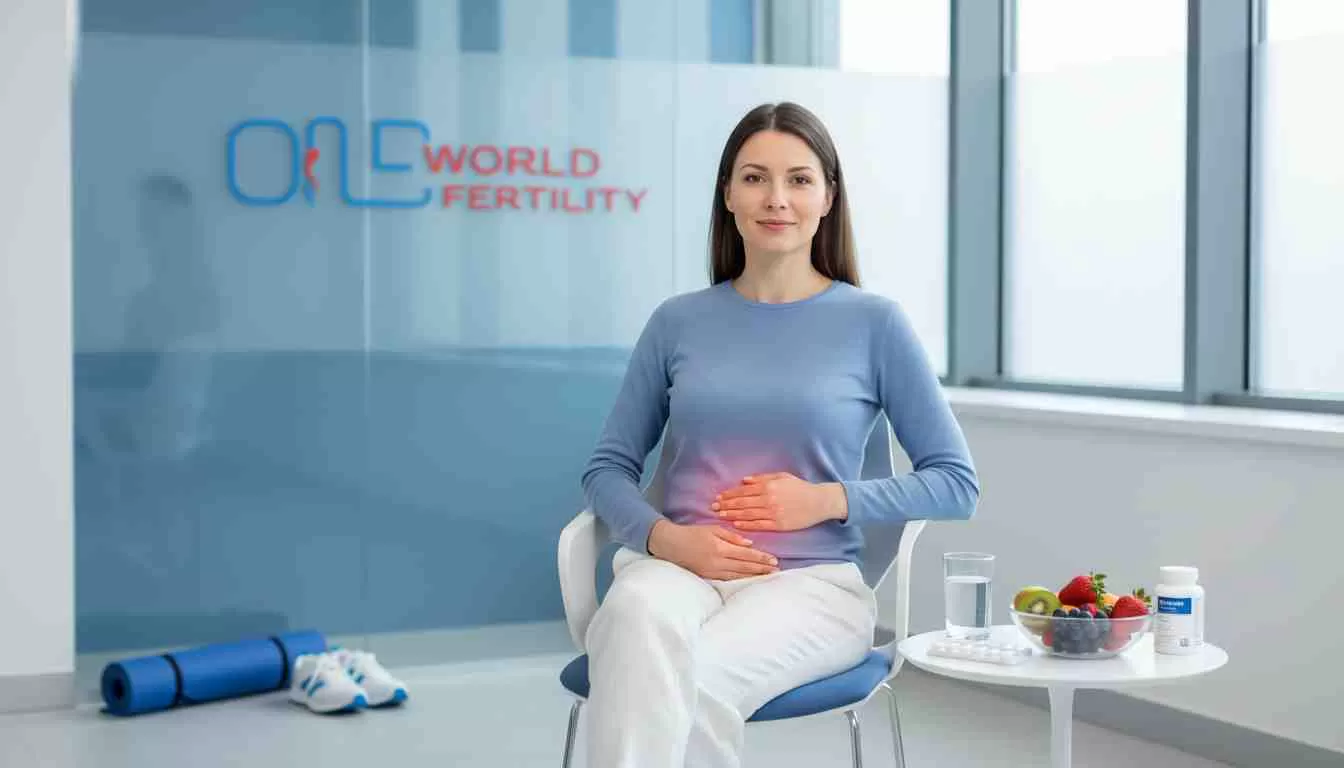
Most first-time moms don't know this: the best thing you can do for your baby starts months before you ever get pregnant. Doesn't it sound strange? But it is true. Your pre-pregnancy habits can have a big impact on your baby's development in those first few weeks, often even before you know you're pregnant. That's why it's so important to promote preconception health.
The good news is? Getting ready for pregnancy on purpose gives you a huge edge. Small habits have a big impact on your pregnancy in ways you wouldn't expect in the next three to six months. We're talking about easy modifications to your diet, exercise, and everyday routines that will help your early fetal development. This is your chance to learn how the things you do before you get pregnant affect the place where your kid will grow. A healthy pregnancy starts before conception, so just being here is the most crucial thing you can do. You have more power over preparing your body for a healthy pregnancy than you think. Let us show you just how to use it.
Why Your Habits Before Pregnancy Matter for Baby's Development
The egg that will become the baby has been developing for 90 days before you even ovulate. But what about Sperm? It takes 74 days to grow up. This is your preconception health window, and it's powerful. Why it matters:
- What you eat, how you sleep, and how stressed you are right now all affect early embryo development.
- The brain and spine of your baby form by day 28 following conception, which is typically before you ever know you're pregnant.
- Pre-pregnancy care isn't simply getting ready; you're really making the cells that will make your baby.
- How good are your eggs and his sperm? What you both do today will decide.
This is what it really means to get ready for pregnancy. You're creating the best possible environment for conception. Your habits right now affect how your baby grows in the womb. Early fetal development doesn't wait for a positive test. A healthy pregnancy starts before you get pregnant. This three-month window? You have the chance to give your baby the best start in life.
Does Men's Health Matter Too? Partner Preconception Health
Yes, for sure. Does a man's diet affect pregnancy? More than you'd think. Quick facts:
- Sperm health before pregnancy directly affects fertilisation and early development.
- For 74 days, what he eats, drinks, and does affects the quality of his sperm DNA.
- Paternal health before pregnancy affects the baby's genetic makeup.
- Studies also show that his diet may affect conditions such as morning sickness.
The most important thing is that preconception planning works best when done together. When both parents eat healthily, exercise, and stop drinking and smoking, they are doing things that will help their baby from the start. And changing things together? A lot easier than doing it alone. You and your partner are the first steps to your baby's wellness.
Pre-Pregnancy Nutrition: What to Eat Before Getting Pregnant
Does diet before pregnancy affect the baby? Yes, and here's why it matters. Your body starts making the egg that might become your baby around three months before you even ovulate. The food you eat throughout those months has a direct effect on the quality of the egg. Your body is already using the nutrients you stored up before your baby's brain and spine began to grow (about day 28 after conception). A lot of the time, you don't even know you're pregnant yet. That's why nutrition before pregnancy is equally as important as eating well while pregnant. A pre-pregnancy diet is like preparing the soil for planting seeds. You're making the best possible environment for your baby. Before being pregnant, here are the foundations of a healthy diet:
- Start a prenatal vitamin with folic acid now, three months before you try.
- Eat healthy fats, whole grains, lean proteins, and colourful vegetables.
- Increase your stocks of calcium and iron.
- Before you get pregnant, eat meals that are good for the quality of your eggs (foods high in antioxidants).
The best part? Eating a healthy diet before pregnancy is quite similar to eating well during pregnancy. You're just getting a head start, so you'll be ready when you do get pregnant.
Essential Nutrients for Preconception
| Nutrient |
Why You Need It |
How Much Daily |
Easy Food Sources |
When to Start |
| Folic Acid |
Prevents neural tube defects |
400-800 mcg |
Leafy greens, fortified cereals, beans |
3 months before |
| Iron |
Builds blood supply, prevents anemia |
18 mg |
Red meat, spinach, lentils |
3 months before |
| Calcium |
Baby's bones, protects your bones |
1000 mg |
Dairy, fortified milk, broccoli |
Start now |
| Omega-3 DHA |
Brain and eye development |
200-300 mg |
Salmon, walnuts, chia seeds |
3 months before |
| Vitamin D |
Implantation, immune health |
600-1000 IU |
Sunlight, fortified milk, eggs |
Start now |
| Protein |
Cell growth, egg quality |
46g |
Chicken, fish, beans, yogurt |
Consistently |
Weight and Body Preparation Before Pregnancy
Let's discuss about weight before pregnancy without getting stressed. A healthy BMI before pregnancy is between 18.5 and 24.9. Being very underweight or overweight can hurt your chances of getting pregnant and having a healthy pregnancy, but this isn't about being ideal.
Tip for first-timers: Get to a healthy weight before you try. Don't go on a diet when you're pregnant.
How to prepare the body for pregnancy? If you need to, make small modifications over time. Don't go on crash diets. Find your healthy range with the help of your doctor. Don't worry about the numbers on the scale; instead, focus on how strong and vibrant you feel. Preparing the body for a healthy pregnancy means being healthy enough to support life. Pre-pregnancy care is about making progress, not being flawless. You're already doing something great.
What to Eat and What to Avoid Before Conceiving
Don't make meal plans too complicated; just keep it simple. You only need to make wise food choices and follow a simple pre-pregnancy checklist for your kitchen.
| Eat More Of This |
Avoid/Limit This |
Why |
| Colorful veggies & leafy greens |
Processed junk food |
Protects egg quality |
| Whole grains |
White bread, refined carbs |
Balances hormones |
| Lean proteins |
High-mercury fish |
Builds healthy eggs safely |
| Healthy fats (avocado, nuts) |
Trans fats, fried foods |
Supports hormones |
| Full-fat dairy |
Unpasteurized dairy |
Calcium + vitamin D |
| 8-10 glasses water |
Too much caffeine |
Keeps everything running |
| Prenatal vitamin |
Alcohol |
Fills gaps, zero is safe |
Before you get pregnant, it's important to eat a nutritious diet that is balanced, not obsessed. Don't worry about being flawless; just add excellent things and cut away undesirable things.
Lifestyle Habits That Support Healthy Conception
Good news: you don't need to become a gym rat. One of the best things you can do right now is to get some moderate exercise before pregnancy. Regular movement helps your reproductive organs receive more blood, balances your hormones, lowers your stress levels, and increases your strength for pregnancy. Your lifestyle before pregnancy is important, and exercise is a big part of that.
The best types for fertility health before getting pregnant are:
- Walking (yep, walking counts!) Swimming is a good way to get some light exercise.
- Yoga helps with flexibility and stress alleviation.
- Light strength training The catch? Too much can backfire.
- Training hard for more than 7 hours a week can mess with your cycle and ovulation.
If you want to get pregnant, you should cut back on your workouts. The idea isn't to be perfect; it's to move around a little bit every day. Walking for 30 minutes most days can improve fertility before pregnancy and get you ready for pregnancy by checking off important tasks.
| Exercise Type |
Recommended |
Benefits |
Tips for Beginners |
| Walking |
30 min, 5x/week |
Improves circulation, reduces stress, easy to start |
Start with 15 min if new to exercise |
| Yoga |
2-3x/week |
Flexibility, stress relief, pelvic floor health |
Try prenatal-friendly classes now |
| Swimming |
2-3x/week |
Low-impact cardio, full-body workout |
Great if you have joint issues |
| Strength Training |
2x/week |
Builds muscle for pregnancy, bone health |
Use light weights, learn proper form |
| Avoid |
Extreme exercise >7 hrs/week |
Can disrupt menstrual cycles |
If training hard, scale back when trying to conceive |
Your pre-pregnancy lifestyle doesn't need extreme fitness. Just move about in ways that feel good and help to make healthy habits before pregnancy.
Sleep, Stress, and Mental Wellness Before Conceiving
People don't talk about this enough: sleep and stress before pregnancy are equally as important as nutrition. Your body makes chemicals that help you reproduce while you sleep. To keep your Hormonal balance before pregnancy, you need 7 to 9 hours of sleep every night. Less than that can stop ovulation and make it tougher to get pregnant. Stress before getting pregnant is genuine and can make it harder to get pregnant. Chronic stress raises cortisol levels, which can mess with your cycle. Are you worried about being a first-time parent? Nothing out of the ordinary. But taking care of mental health before being pregnant makes things easier later on. Pre-pregnancy self-care isn't selfish; it's necessary. Getting enough sleep and managing stress now will make the changes that come with pregnancy easier to handle.
- Easy ways to deal with stress:
- Deep breathing or meditation for 10 minutes per day
- Yoga or stretching that isn't too hard
- Talk to someone, such as a therapist, a friend, or your partner
- Don't agree to things you don't need to. Do what really helps you relax
Before getting pregnant, try going to bed at the same time every night, keeping the room dark, limiting screen time before bed, and having a wind-down routine. Taking care of yourself is the first step toward creating a tranquil, balanced environment for conception. Your mental and emotional wellness is just as important as your physical health. The best thing you can do for your future baby is to be a calm, relaxed mom.
Understanding Early Development: Why Preconception Matters
A lot of individuals think that pregnancy starts when they get a positive test. In actuality, fetal development starts considerably earlier than most people think, frequently before they even know they're pregnant. This is why preconception health has a significant effect on how early pregnancy develops. Before you ever get pregnant, your body begins getting the place ready for your kid to grow. Your nutrition, stress levels, sleep, and everyday behaviours all affect how an embryo develops in the early stages. It takes time to build a healthy pregnancy.
The First 8 Weeks: When Everything Begins
The first eight weeks are the most important time for the baby's early growth. Your baby grows and changes quite quickly during this time. Fertilisation and implantation happen in the first and second weeks. The quality of the egg and sperm, which has been influenced by the last few months, already affects how the early embryo develops. The neural tube forms and closes around day 28, which is weeks three and four.
Many women don't yet know they're pregnant, which is why folic acid before pregnancy is so important. Around weeks five and six, the heart starts beating, and the brain begins to form. These are important times in the early stages of fetal development. All of the body's major organs start to form between weeks seven and eight. At this stage, factors affecting early fetal growth such as nutrition and stress that affect early fetal growth are especially important. Your diet, sleep, stress, and overall health all affect how the fetus grows. This is why a healthy pregnancy really begins before you get pregnant.
Critical Early Development & Why Preconception Health Matters
| Weeks After Conception |
What’s Happening |
Key Nutrients |
Why Preconception Matters |
| Week 1–2 |
Fertilization & implantation |
Folic acid, Vitamin D, healthy fats |
Egg and sperm quality reflect health from the months before |
| Week 3–4 |
Neural tube forming, early heart |
Folic acid, B12 |
Neural tube closes before many know they’re pregnant |
| Week 5–6 |
Brain growth, heartbeat begins |
Omega-3 DHA, iron, protein |
Brain development relies on nutrient stores already present |
| Week 7–8 |
Organs, arms, legs forming |
Full range of vitamins & minerals |
Deficiencies now can affect organ development |
How Your Habits “Program” Your Baby’s Health
There are more things that affect your baby's health than just their genes. Epigenetics is the study of how genes are expressed, which also affects this. In short, pre-pregnancy habits can affect how your baby's body grows. Nutrition, stress, sleep, and exposure to toxins all affect how your lifestyle impacts early pregnancy. People say that small habits have a big impact on pregnancy for this reason. Even small decisions can affect how a baby's growth is influenced by lifestyle.
The mother's health is not the only thing that matters. Many people want to know whether a diet before pregnancy affects the baby. Yes, a father's diet and lifestyle may affect the quality of his sperm, which is important for early development.
The good news is that you're laying the groundwork for your baby's health long before the first heartbeat by getting your body ready for a healthy pregnancy.
Your Pre-Pregnancy Action Plan: Getting Started
Are you ready to be ready for pregnancy, but don't know where to start? Let's make your pre-pregnancy checklist into easy-to-follow instructions for each month.
Month 3 (Start Now): Start taking prenatal vitamins with folic acid today. Make an appointment with your doctor before you get pregnant. Both of you need to stop drinking and smoking.
Month 2: Slowly work toward a healthy weight. Get into the habit of working out on a regular basis (even if it's simply walking). Go to the dentist.
Month 1: Keep track of your cycle to find out when you're most fertile. Limit your daily caffeine intake to less than 200 mg. Make sure you get 7 to 9 hours of sleep. Take charge of your stress. Your partner also starts to live a healthy life. Talk to your doctor about your meds. Ready to Try: Keep everything going. Don't stop your prenatal vitamin. Have sex during your fertile window. Stay consistent.
Conclusion: Your Journey Starts Now
Just being here and learning about preconception health is already a fantastic thing. That counts.Keep this in mind: minor habits can have a significant effect on your pregnancy. The choices you make every day for the next three months will practically shape your baby's future. You can help make a Healthy pregnancy start before conception. Three months ago was the optimal time to start getting ready for pregnancy. The next best time is now.
Getting your body ready for a healthy pregnancy is one of the best things you can do for your child. When you stick to these natural ways to improve pregnancy outcomes, they work. Ready for personalised guidance? Make an appointment with One World Fertility for a preconception consultation. Our experts make personalised plans, answer your questions, and help you get ready for pregnancy step by step. Today is the best day for your baby to start healthy. Let's work on this together.