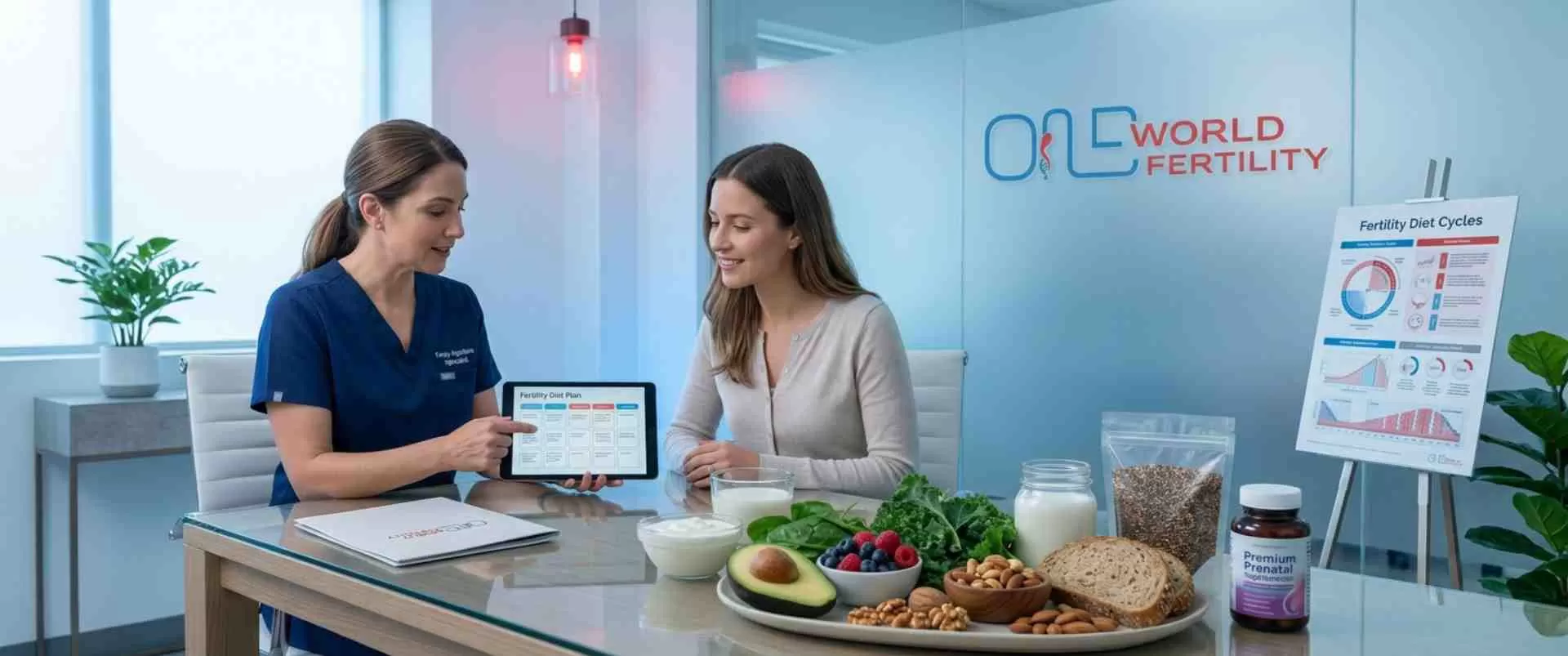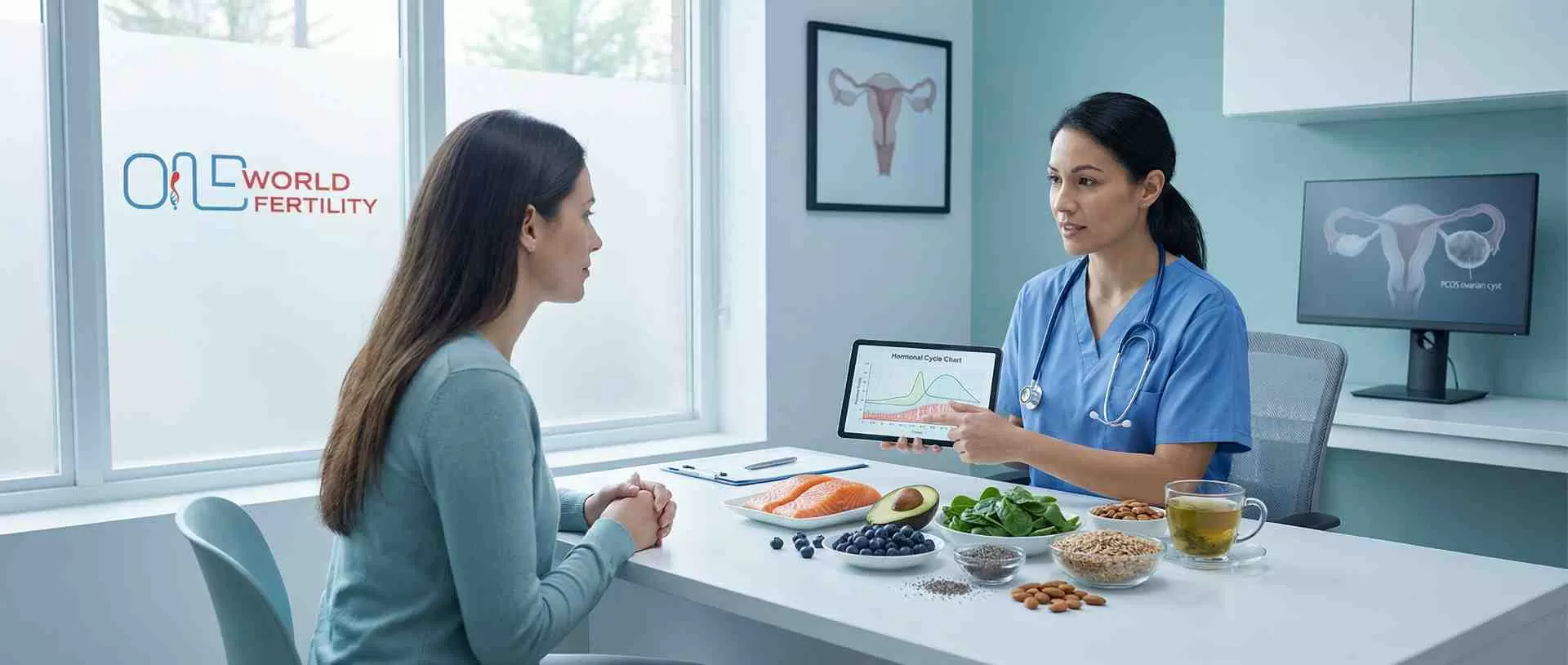
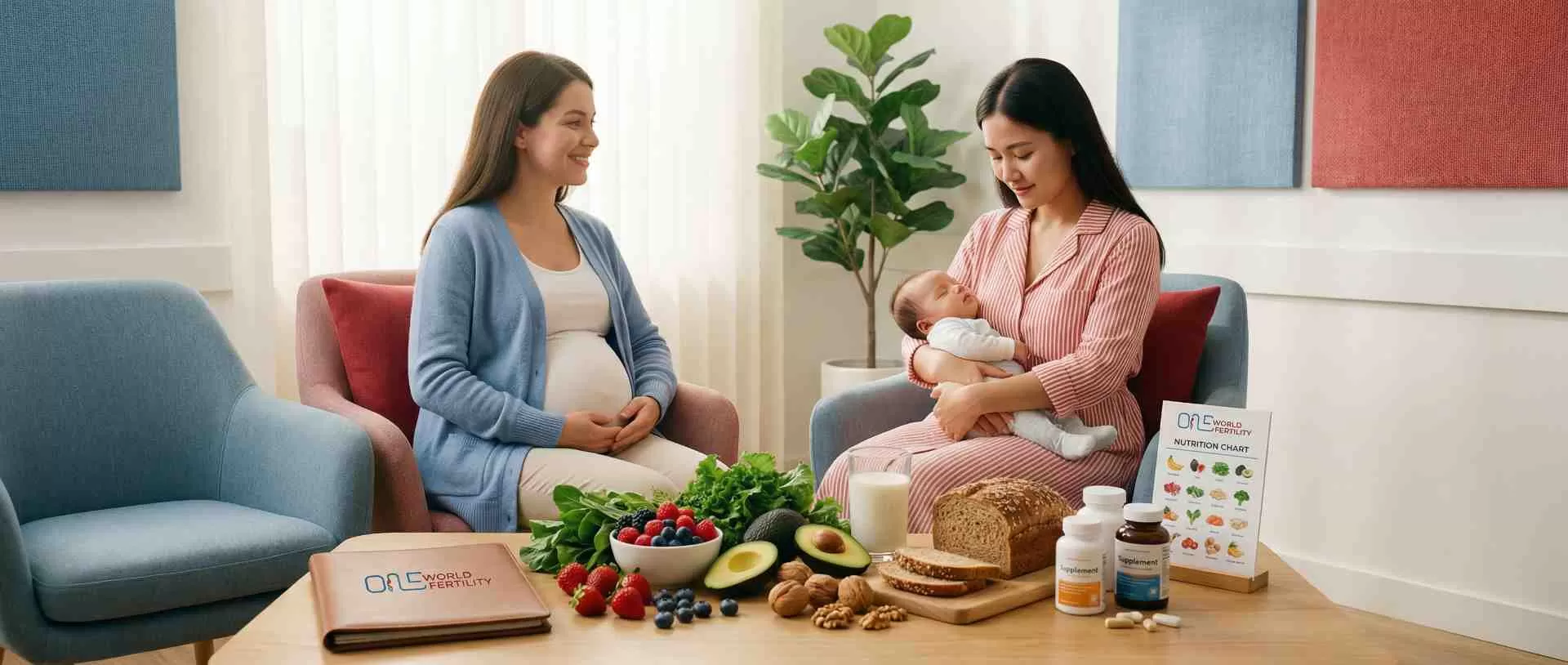
We know that being pregnant makes you wonder what to eat and how to keep you and your baby healthy. You're in the right place if you're just starting to think about pregnancy and post-pregnancy nutrition or if you're trying to figure out what works best for your lifestyle.
At One World Fertility we think it shouldn't be hard to eat well while you're pregnant. Before and after giving birth, the right foods can help your baby grow, ease typical pains, and make you feel your best. What you eat is important during pregnancy and after giving birth, but it doesn't have to be hard to figure out.
Our team is here to help you by giving you simple, useful information that you can use right away. You can trust the information on the nutrients that really matter, the foods that will help you (and the ones you should avoid), and how to keep your energy up while taking care of a baby. Because caring for and growing a baby should be backed up by help that is loving, clear, and doable.
What's the Difference Between Pregnancy and Post-Pregnancy Nutrition?
From pregnancy to after giving birth, your food needs change a lot. What changes is this:
Pregnancy Nutrition
The food you give your baby affects how they grow and develop. You need about 300 to 500 extra calories a day, more folate to avoid birth problems, more iron to make your blood bigger, more calcium to build bones, and more folate. Food choices during pregnancy are important to keep both bodies fit as they grow together.
Post-Pregnancy Nutrition
A woman needs to change her diet after giving birth to help her heal and, if she is nursing, make milk. For better nutrition after giving birth, you need more calories than during pregnancy (about 500 extra calories when nursing), more iron to rebuild your iron stores, and certain nutrients to help you heal and nurse. Your attention shifts from having a baby to getting better.
We help you with your nutrition at One World Fertility during both times, so you know exactly what your body needs and when it needs it.
| Aspect |
During Pregnancy |
After Delivery (Postpartum) |
| Primary Focus |
Baby's growth and development |
Your recovery + milk production (if breastfeeding) |
| Key Nutrients |
Folate, iron, calcium, protein, omega-3s |
Iron (to rebuild), vitamin B12, zinc, omega-3s, calcium |
| Main Goal |
Support fetal development, prevent birth defects |
Heal from delivery, support lactation, restore nutrient stores |
| Common Challenge |
Morning sickness, food aversions |
Exhaustion, time constraints, nutrient depletion |
| Hydration Needs |
8-10 glasses daily |
10-13 glasses daily (especially if breastfeeding) |
Nutrition During Pregnancy: What to Eat for a Healthy Baby
Women who are pregnant often wonder what they should eat, and we're here to help. You don't have to follow a perfect diet while you're pregnant. Just be careful. When you're pregnant, the right foods help your baby grow and keep you healthy and energetic.
Eating well during pregnancy can help you avoid problems, feel better, and give your baby the best start. Our team provides personalised help based on your needs, whether you're dealing with morning sickness or just want advice on what to eat while you're pregnant.
Best Foods for Pregnant Women
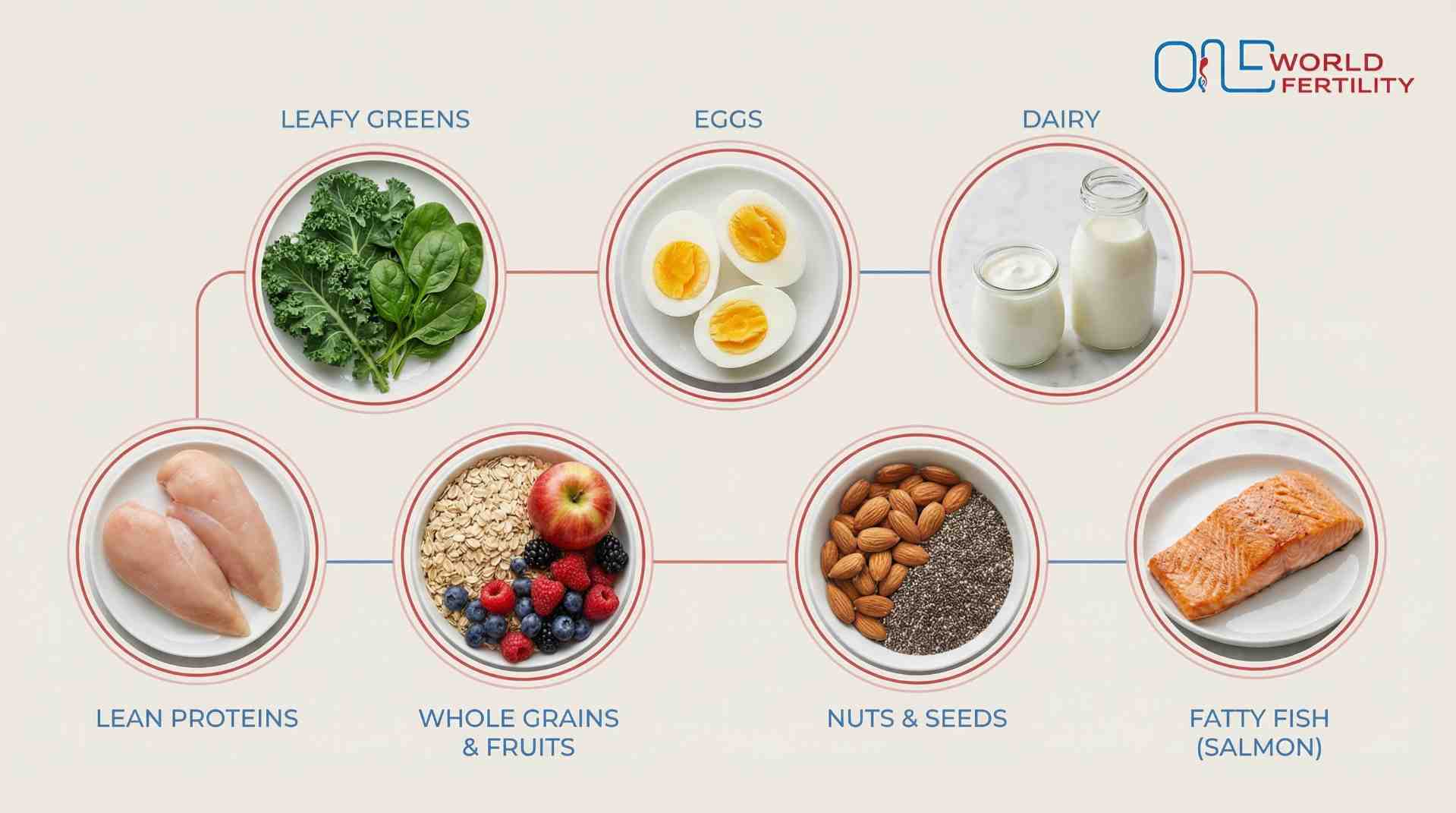
Not as hard as you might think to find the best foods for pregnant women. This is a useful list of things to eat while you're pregnant:
- Leafy greens: Spinach and kale (for folate, iron, and fibre).
- Eggs: Protein and brain-boosting choline.
- Dairy: Cheese, yoghurt, and milk (calcium and protein).
- Lean proteins: Fish, chicken, rice, and beans.
- Whole grain: Berry, orange, carrots, oats, brown rice, and whole wheat.
- Nuts and seeds: Sodium salts and healthy fats.
- Fatty fish: Salmon contains omega-3s, which are good for a baby's brain.
These things are good for you during pregnancy because they give your body what it needs most. The trainers at our company can help you plan healthy meals for pregnant women that fit your lifestyle and tastes.
Nutrients for a Pregnant Woman
Knowing what nutrients you need during pregnancy can help you make decisions with confidence. This is what a pregnant woman needs to eat:
- Folate: 60 - 800 mcg (helps avoid congenital disabilities).
- Iron: 27.5 mg (helps make blood).
- Calcium: 1,000 mg (helps babies' bones grow).
- Protein: 70 to 100 grams (for muscle growth).
- Omega-3: 200-300 mg (DHA) helps the brain grow.
- Vitamin D: 600 IU (helps the defence system).
- Iodine: 220 mcg (for thyroid function).
Prenatal vitamins and well-balanced foods meet most of the nutritional needs of pregnant women.We help you figure out the nutrition you need while you're pregnant and make a plan that works. There's no stress, just clear instructions.
Healthy Diet During Pregnancy: Trimester-by-Trimester Guide
As your baby grows, their food needs will change too. During each phase, keep these in mind:
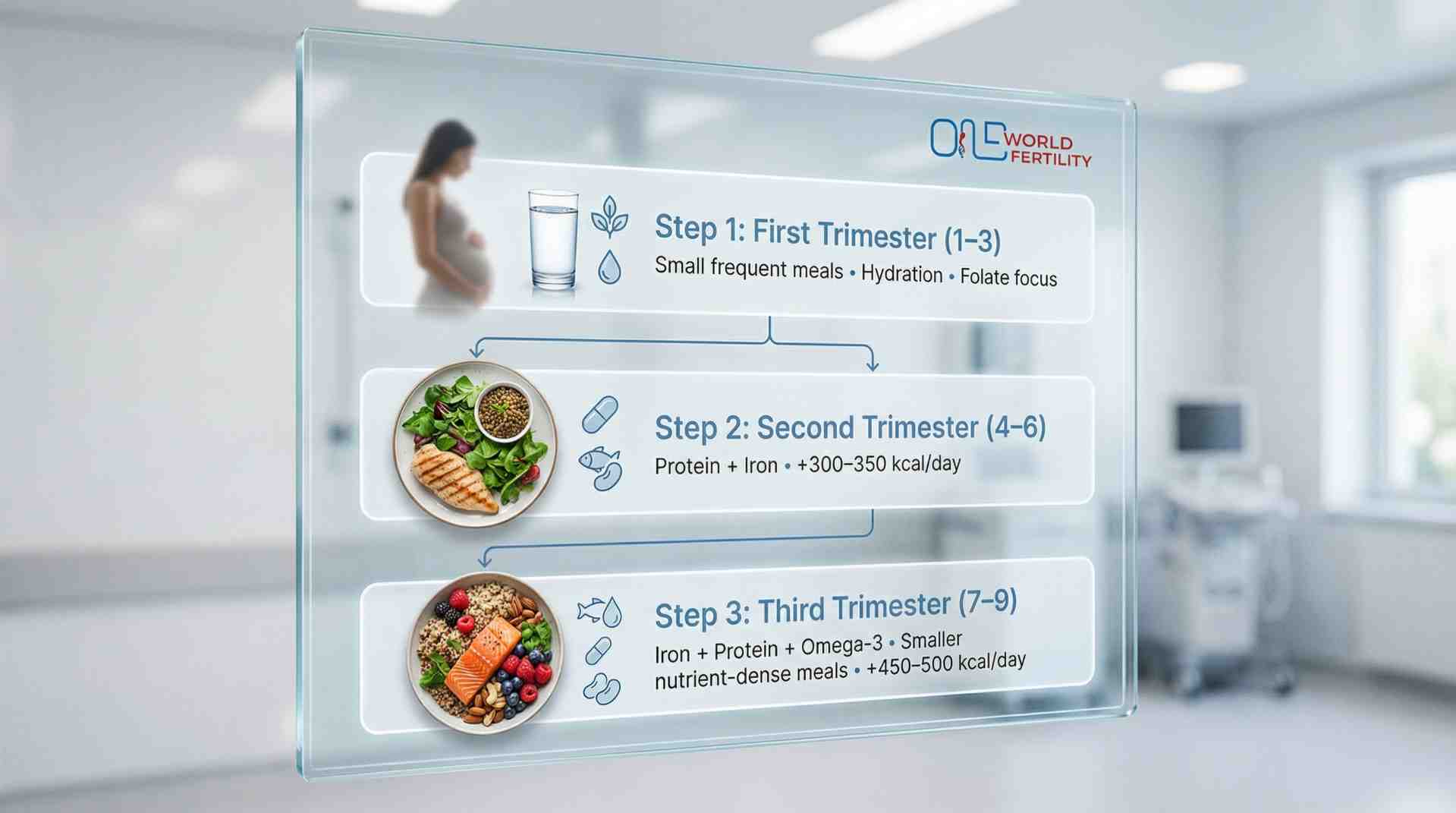
First Trimester (Months 1-3)
If you feel sick, eat small meals often and drink a lot of water. Also, eat foods that are high in folate. It doesn't matter how many calories you eat; what you eat is more important than how many. Don't eat too much if you get sick in the morning.
Second Trimester (Months 4-6)
As the baby grows quickly in the fourth month of pregnancy, you should eat more protein and iron. Take in an extra 300-350 calories each day. This is when most women regain their appetite, making healthy food easier to eat while pregnant.
Third Trimester (Months 7-9)
For your baby's brain growth, your 9-month pregnancy food chart should prioritise iron, protein, and omega-3s. As the room gets tight, the 9th-month pregnancy food chart focuses on smaller meals that are still full of nutrients. Aim for an extra 450-500 calories each day.
Based on your health, tastes, and any complications, our team can make a custom diet plan for you during your ninth month of pregnancy. A pregnant woman should make sure that every diet she follows is just right for her.
| Trimester |
Key Focus |
Extra Calories |
Priority Nutrients |
Eating Tips |
| 1st Trimester (Months 1-3) |
Managing nausea, foundation building |
None needed |
Folate, vitamin B6, fluids |
Small, frequent meals; eat what you can tolerate |
| 2nd Trimester (Months 4-6) |
Rapid baby growth |
+300-350 daily |
Protein, calcium, iron |
Appetite returns; focus on balanced meals |
| 3rd Trimester (Months 7-9 ) |
Brain development, preparing for delivery |
+450-500 daily |
Iron, omega-3s, protein |
Smaller, nutrient-dense meals as space gets tight |
Fruits and Vegetables for Pregnant Women: Your Daily Nutrition Essentials
Are you pregnant and want to know what fruits or veggies are best for you? Fruits and veggies of all colours should be the main part of your pregnancy diet. They are rich in vitamins, fibre, and water, all of which your body needs. The best foods to eat while pregnant give you natural energy, help you feel less sick, and help the baby grow. Vegetables, on the other hand, give pregnant women folate, iron, and fibre to keep them from getting constipated or anaemia. Let's talk about what you should eat every day.
Best Fruits for Pregnant Women
| Fruit |
Key Benefits |
Why It Works |
| Bananas |
Potassium, energy, reduces nausea |
Bananas in pregnancy ease morning sickness and leg cramps |
| Oranges |
Vitamin C, hydration, folate |
Boosts iron absorption and immunity |
| Apples |
Fiber, vitamin C |
Prevents constipation, controls blood sugar |
| Berries |
Antioxidants, folate, fiber |
Supports baby's brain development |
| Pomegranate |
Iron, vitamin K |
Prevents anemia, strengthens bones |
| Avocado |
Healthy fats, folate, potassium |
Supports baby's brain and tissue growth |
| Watermelon |
Hydration, reduces swelling |
Eases third-trimester discomfort |
What a pregnant woman should eat every day: During pregnancy, try to eat two to three servings of vegetables every day. Each colour has its own set of nutrients, so mix them up to get more variety. When pregnant, it's always best to eat fresh, in-season foods.
Best Vegetables for Pregnant Women
The most important nutrients for you and your baby are found in the veggies that are best for pregnant women. Check out these things:
- Spinach: Spinach is full of iron and folate, which helps avoid anemia and supports the development of your baby. 4-5 times a week, eat it.
- Broccoli: Rich in folate, fibre, and vitamin C, this food promotes smooth digestion and helps prevent congenital disabilities.
- Carrots: Full of beta-carotene, which is good for your baby's eyes and immune system.
- Sweet Potatoes: It's great for good cell growth because it's high in vitamin A and fibre.
- Beans & Lentils: Great food for pregnant women because it is high in fiber, protein, and iron, which keep you full and energized.
- Bell Peppers: During pregnancy, colourful veggies are full of vitamin C, which helps your body take in iron better.
- Tomatoes: Antioxidants and vitamin C help the body absorb iron and stay healthy.
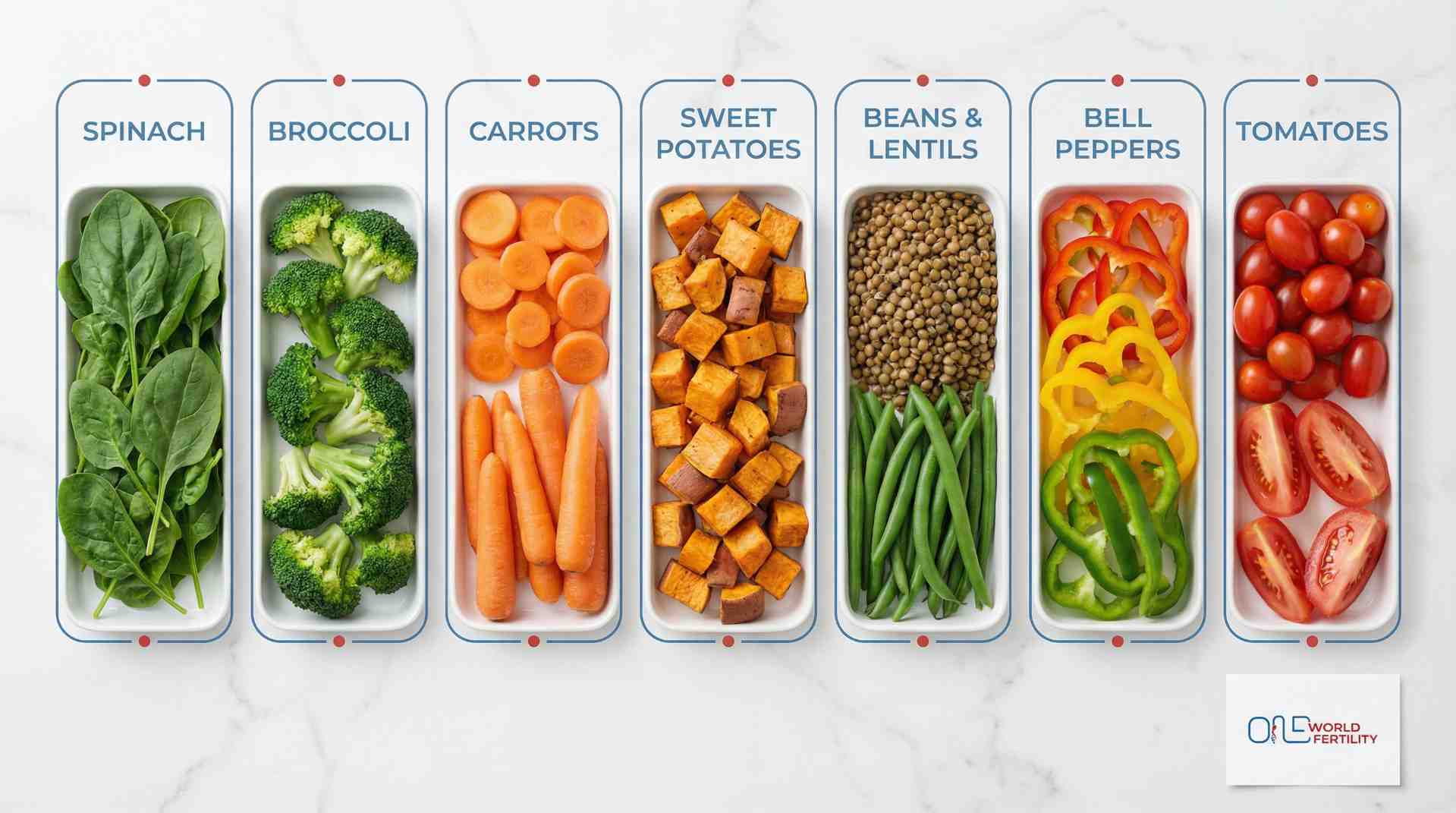
Women who are pregnant should eat three to four servings of veggies every day. For full nutrition, eat a variety of leafy greens, bright vegetables, and legumes. If you're pregnant, our team can help you make veggie-based meals that you'll both enjoy.
Foods to Eat and Avoid During Pregnancy
Simple rules help you choose safe foods without having to think too much about each one.
Foods to Eat During Pregnancy
Pick things that are safe, healthy, and good for both you and your baby. Most of the calcium and protein you need can be found in processed dairy foods like milk, yogurt, and cheese. Chicken, lean meats, and eggs that are fully cooked (avoid whites that are still soft). To get omega-3s, eat fish like salmon, sardines, and tilapia two or three times a week. Wash a variety of coloured fruits and veggies, and eat plenty of whole grains, like brown rice and oats, to keep your energy up. For plant-based energy and healthy fats, add cooked lentils, beans, nuts, and seeds.
Foods to Avoid During Pregnancy
Avoid things that could make you sick or poisonous. Because of germs and parasites, don't eat meat, eggs, or fish that are raw or barely cooked. Stay away from shark, swordfish, and king mackerel because they have a lot of mercury in them. To avoid listeria, don't eat or drink dairy or juices that haven't been pasteurized, and heat cold meats until they're steaming. You should only have 200 mg of caffeine a day, which is about one cup of coffee, and no alcohol at all while you're pregnant.
When in doubt, cook it all the way through. Our team helps you figure out how to stay safe around food while planning a pregnancy diet that you'll enjoy.
Antenatal Diet: What It Means and Why It Matter
A woman's prenatal diet is the food plan she follows during pregnancy to support her health and that of her unborn child. "Antenatal" means "before birth," so your prenatal diet is basically how you eat while you're pregnant.Eating healthy foods isn't the only thing that makes up an antenatal diet. It's a planned way to meet the extra nutritional needs of pregnant women, prevent problems from happening, and ensure the baby grows up healthy. During the nine months before giving birth, a woman's diet should include certain nutrients, such as folate, iron, calcium, and protein.
As part of learning about antenatal food for health reasons, knowing what an antenatal mother should eat can help you make smart decisions. A pregnant woman's diet isn't strict; it's about eating more nutrient-dense foods, drinking enough water, and staying away from drugs that are bad for you. With this introduction to the antenatal diet, you'll be able to safely eat while you're pregnant.
Our team creates antenatal mother diet plans just for you, based on your health, stage, and any special needs or concerns.
Diet for Pregnant Women: What Should Pregnant Women Eat in a Day?
Wondering what should pregnant women eat daily? Here's a practical food list for pregnant woman:
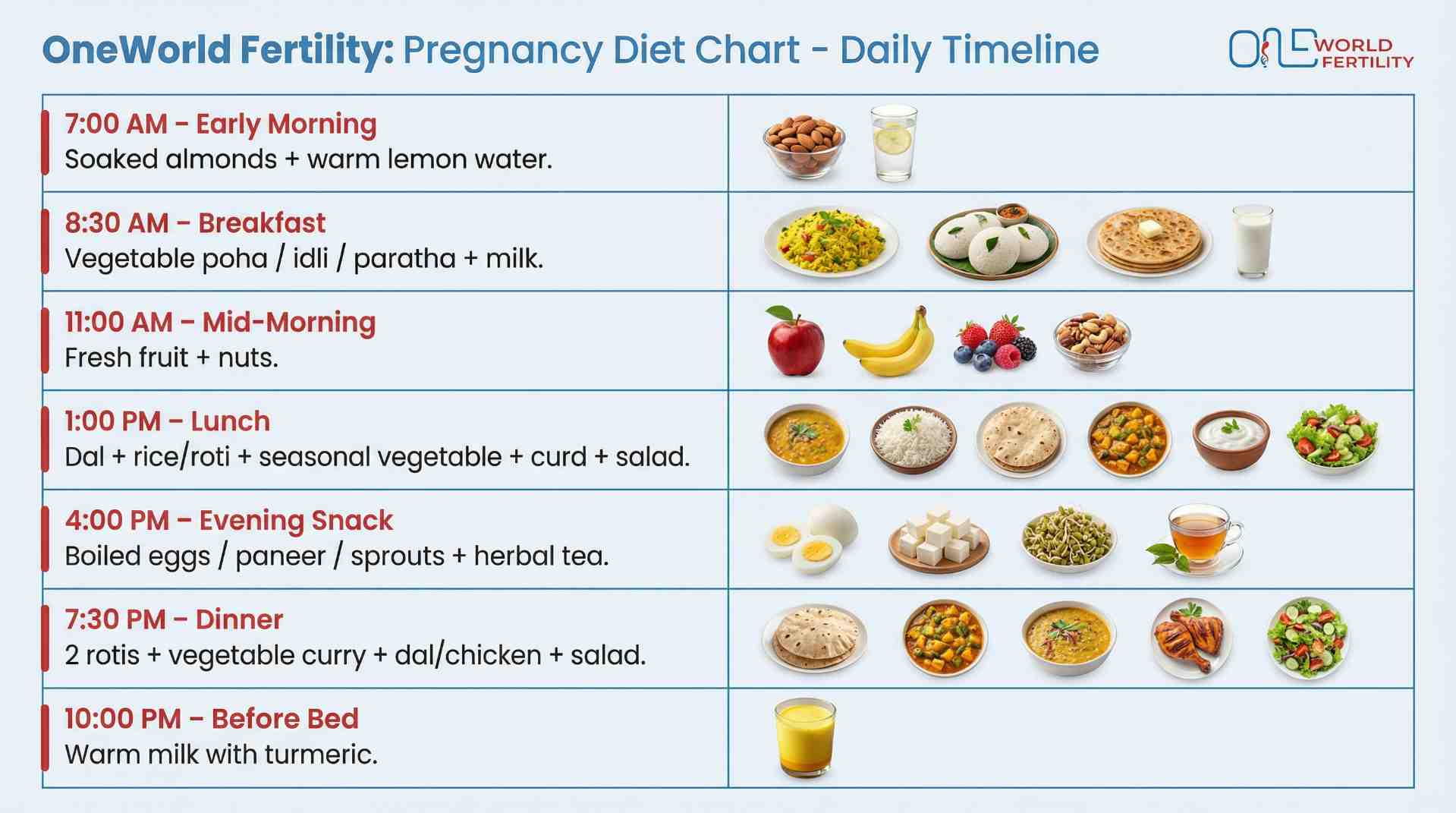
Daily Diet Chart for Pregnant Women
| Time |
Meal |
What to Eat |
| 7:00 AM |
Early Morning |
Soaked almonds (4-5) + warm water with lemon |
| 8:30 AM |
Breakfast |
Vegetable poha/idli/paratha + glass of milk |
| 11:00 AM |
Mid-Morning |
SnackFresh fruit (banana/apple/orange) + handful of nuts |
| 1:00 PM |
Lunch |
Dal + rice/roti + seasonal vegetable + curd + salad |
| 4:00 PM |
Evening Snack |
Boiled eggs/paneer/sprouts chaat + herbal tea |
| 7:30 PM |
Dinner |
2 rotis + vegetable curry + dal/chicken + salad |
| 10:00 PM |
Before Bed |
Warm milk with turmeric (optional haldi) |
Traditional Indian food for pregnant women is balanced and provides all the nutrients they need. Every meal for a pregnant woman should include a variety of nutrients and flavours. It doesn't have to be perfect, but it should be consistent. Our experts at One world fertility make this list of foods for pregnant women based on your tastes, dietary needs, and the stage of your pregnancy.
Post-Pregnancy Diet: What to Eat After Delivery
To heal, get stronger, and make breast milk, your body needs the right food after giving birth. A well-planned diet after giving birth helps you heal faster, avoids problems, and gives you energy during the tiring days with your new baby.
The main goals of the post-pregnancy diet are to help you heal from giving birth (especially after a c-section), make good breast milk, and replenish the nutrients that were lost during pregnancy. After giving birth, your food should be healthy, easy to digest, and in line with your culture.
You can plan meals that work better if you know what "define postnatal diet" means. The postpartum diet isn't about cutting back on food; it's about planning meals that meet your needs after giving birth. Whether you need a postpartum diet chart or a postnatal diet chart, our team makes custom postnatal diet plans for you based on the type of delivery you had and how well you are recovering.
What to Eat After Delivery
Not sure what to eat after giving birth? Indian women have relied on this practical advice about what to eat after giving birth for generations:
The first week after giving birth:
- Foods that are warm and easy to stomach, like soft rice, dal, and khichdi
- Ajwain water and jeera water can help with digestion and gas.
- Putting dates and other dry fruits in warm milk to get energy. Adding ghee to food to heal and make it stronger.
Weeks 2 through 6:
- Include after delivery food like methi (fenugreek) for milk production
- Add indian food after delivery, mother's options: moong dal halwa, gond ladoo
- Warm soups and broths with garlic and ginger
- Seasonal vegetables cooked with warming spices
Traditional After Delivery Mother Food:
The after-delivery food for the mother in India traditionally includes "hot" foods (garam taseer), such as dry fruits, gond, ajwain, methi, and ghee. These aren't about temperature-they're believed to aid postpartum healing and milk production. Our nutritionists balance traditional wisdom with modern nutrition science to create your personalised food after delivery plan.
Diet Plan After C-Section Delivery
A diet plan after a C-section needs special attention since you're recovering from major surgery. Your diet plan after C-section delivery should prioritise wound healing and gentle digestion.
| Phase |
Focus |
Foods to Include | Foods to Avoid |
| Week 1 |
Light, digestible meals |
Warm khichdi, vegetable soups, dal, soft roti, warm water, coconut water | Raw vegetables, gassy foods (cabbage, beans), very spicy dishes, cold beverages |
| Weeks 2-3 |
Building strength |
Boiled eggs, chicken, paneer, cooked vegetables, fresh fruits, nuts, oats | Heavy fried foods, excess spice, overly rich gravies |
| Week 4+ |
Full recovery |
Balanced meals with all food groups, increase portions gradually | Continue avoiding very heavy or gas-forming foods until comfortable |
Essential Nutrients for C-Section Recovery
When you're recovering from a C-section, your body is getting better after a big surgery. To do that, you need to eat the right things. Protein-rich foods like eggs, chicken, rice, paneer, and fish help your wound heal. Oranges, guava, and tomatoes are good sources of vitamin C, which helps heal muscles. Iron-rich foods, like spinach, dates, and pomegranates, help your body make up for the blood you lost during labor. A lot of fibre helps things move, which is very important after surgery. Eat oats, fruits, and cooked veggies every day.
Easy Things to Keep in Mind:
- Instead of big meals every two to three hours, eat small ones.
- Every day u must drink 8 to 10 glasses of water.
- Add new foods slowly to see how your body reacts.
We make a food plan for you at One World Fertility that fits the way you're healing. Not a one-size-fits-all method, but what your body needs at this very moment.
Nutrition Support at One World Fertility
We know that eating during pregnancy and after giving birth can be hard, especially if you're already juggling a lot. As part of your care with us, we provide you with customized nutrition advice to help you do that.
What We Offer You:
- Diet plans: Which are made just for you, based on your phase, health needs, and what you like to eat.
- Nutritionists: Nutritionists who know both the science and the feelings of pregnancy can give you expert advice.
- Support at Every Stage: We make changes to your plan as your body changes, from the first trimester to your healing after giving birth.
- Recovery Nutrition: We help you heal and support breastfeeding, whether you had a vaginal or C-section birth.
- Taking care of health problems: gestational diabetes, anaemia, or other issues? We make healthy eating plans that really work.
- Traditions should be respected: We use both old-fashioned methods and the latest diet research.
You don't have to work this out by yourself. We're here to help you and answer your questions from the time you start planning your pregnancy until the first few weeks after giving birth. Are you ready for personalised help? Get in touch with One World Fertility to talk to our diet team.
Questions people ask about this treatment
10 answeredhere