
Are fertility diets different for men and women
 Written by
One World Fertility
Jan 2, 2026 17 min read
Written by
One World Fertility
Jan 2, 2026 17 min read
Learn how fertility diets differ for men and women and which foods support egg quality, ovulation, and sperm health naturally.
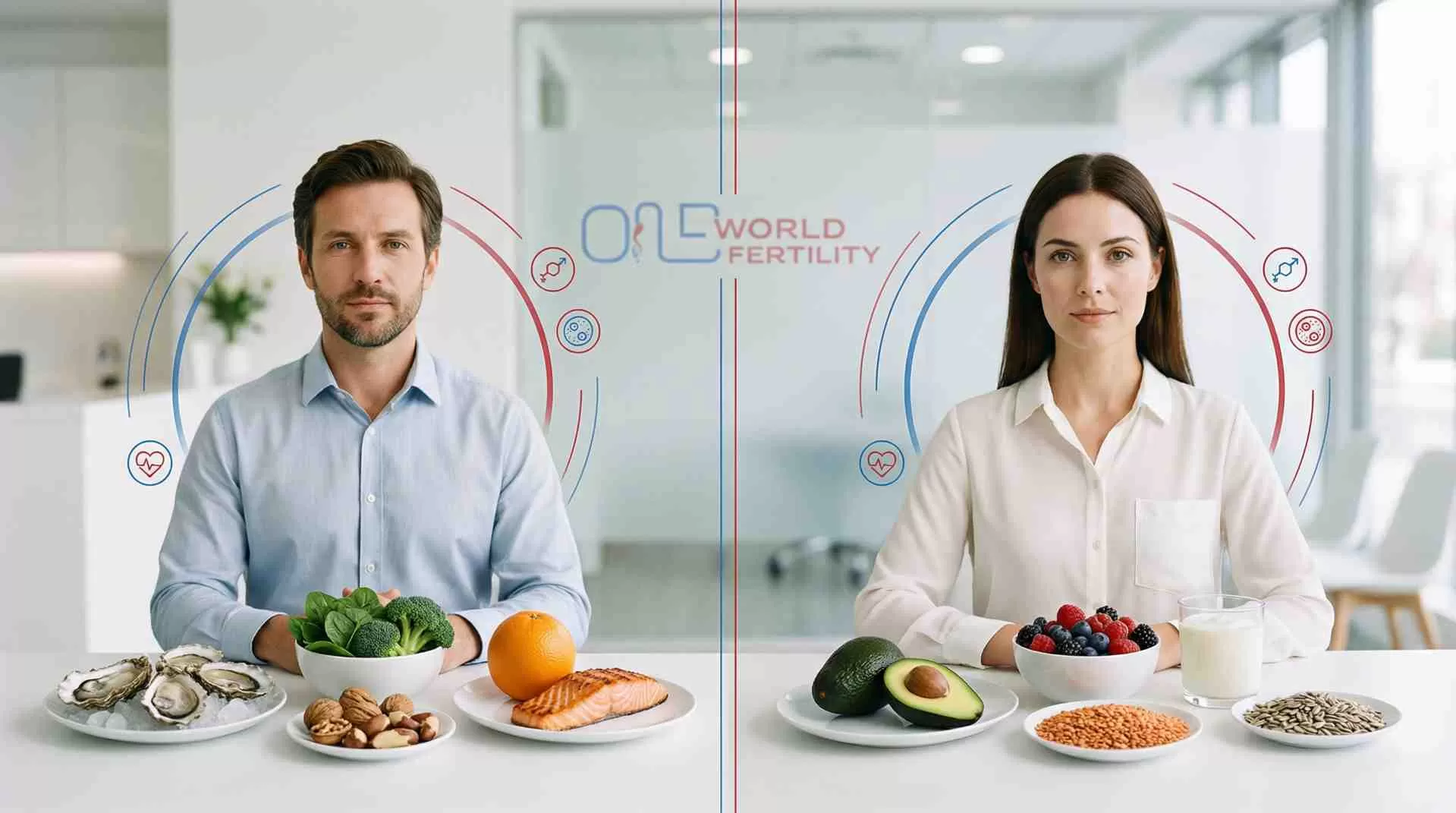
We don't talk about this enough, but things that help with fertility-boosting foods work differently for men and women. Since your bodies need different things while you're pregnant, it makes sense that what you eat should change too, right?
We know how hard it is to sort through all the information about things that can help you get pregnant. Some articles say to eat this and avoid that. However, the truth is that while some fertility-boosting foods, like healthy greens, work for everyone, your body's unique reproductive needs mean that you'll get the most out of personalised nutrition. To put it another way, women need nutrients that help keep their hormones in order and their uterus healthy. Men need to eat foods that increase sperm count, improve sperm motility, and support overall health. For different jobs, use different fuel.
The good news? You don't need a hard-to-follow meal plan or pricey vitamins. Whole, simple things can make a big difference. We have fertility foods for both men and women. Fertility foods for women can help your cycle, and fertility foods for men can improve the quality of your sperm. We'll tell you exactly what you should eat and why it's important in this guide. No medical terms, and don't be confused. Just useful, scientifically-based advice from someone who really wants you to succeed on this path.
You can eat better if you want to have more children. Let's get started.
What Is a Fertility Boost Diet?
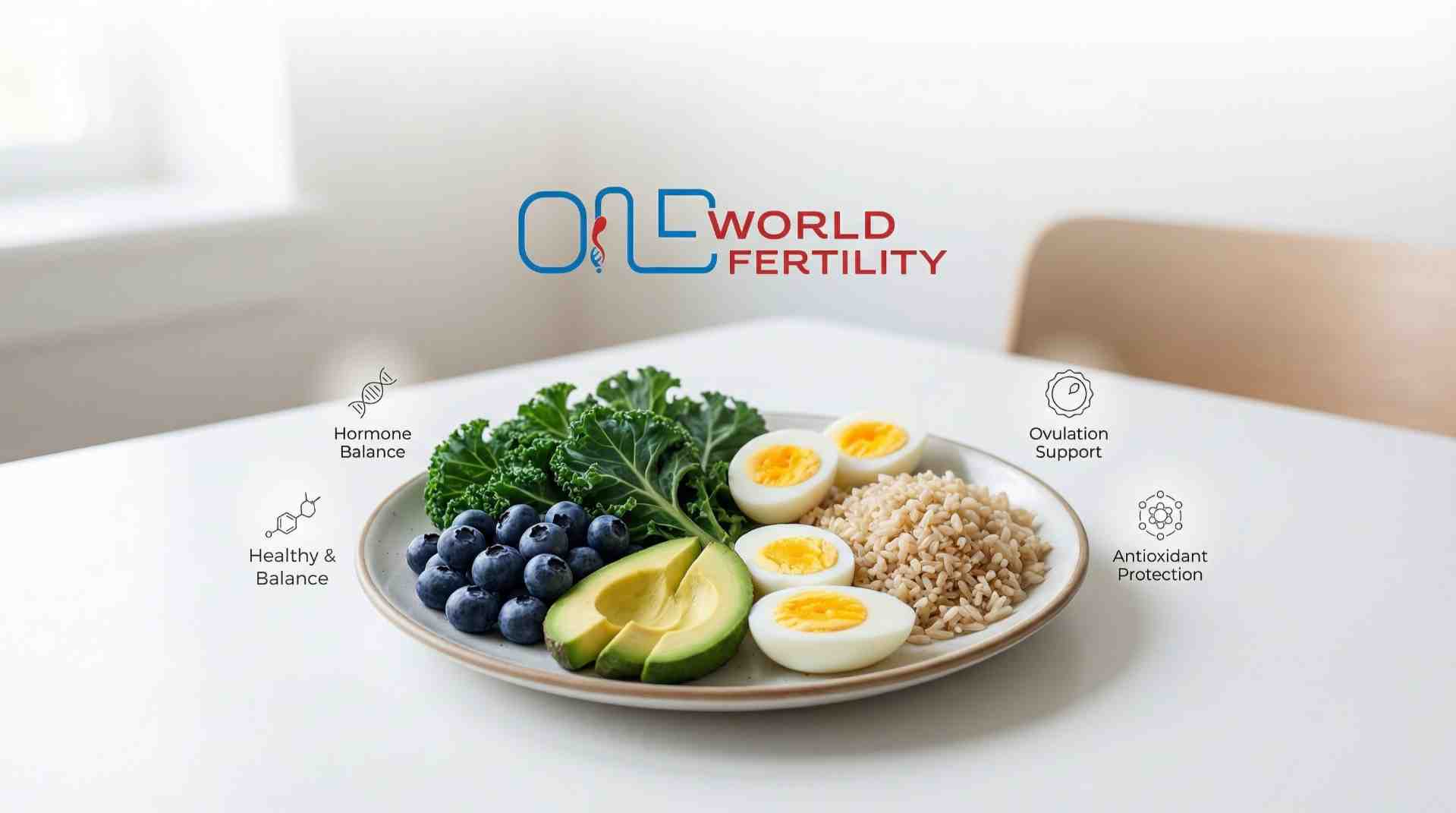
Eating foods that help your reproductive system is all that's involved in a fertility boost diet. Don't put too many limits on yourself or give up everything you love. It's just making smart, planned choices.
A fertility-friendly diet is based on whole foods that help balance hormones, reduce inflammation, and improve egg and sperm quality. A lot of different kinds of vegetables, healthy fats, lean meats, and whole grains. You probably already know that berries, salmon, nuts, and fresh greens are good for you and can help you get pregnant. They're only being eaten on purpose now.
How Fertility Enhancing Food Improves Reproductive Health
The right foods actually help your reproductive cells work better, keep your hormones in check, and stop cell damage that hurts eggs and sperm.
Foods that increase fertility and are high in antioxidants, like dark chocolate, berries, and colorful vegetables, lower reactive stress. Healthy eggs and sperm are made up of nutrients like folate, omega-3s, zinc, and vitamin D.
For women, this means better ovulation and a healthy uterine lining. For men, it means a stronger sperm count and motility. What you eat literally becomes part of your reproductive cells- so feed them well.
Diet for Fertility Enhancement - Why Nutrition Matters
To be honest, when you're trying to get pregnant, you want to be in charge of something. You have no control over your genes, but you do have full control over what you eat.
A diet for fertility enhancement matters because not getting enough nutrients can stop ovulation, lower the number of sperm, and make it harder for the egg to grow. The good news? It's been shown that making changes to your food can really help you in just a few months.
You don't need perfection- just consistent, fertility-friendly choices most of the time. Let your food work for you on this journey, not against you.
| Nutrient |
Why It Matters |
Best Sources |
| Folate |
Supports egg quality, prevents birth defects |
Leafy greens, lentils, avocados |
| Omega-3s |
Regulates hormones, improves sperm motility |
Salmon, walnuts, chia seeds |
| Zinc |
Boosts sperm production and ovulation |
Oysters, pumpkin seeds, chickpeas |
| Vitamin D |
Improves egg quality, supports implantation |
Fatty fish, egg yolks, sunlight |
| Antioxidants |
Protects eggs and sperm from damage |
Berries, nuts, bell peppers |
| Iron |
Prevents ovulatory infertility |
Spinach, red meat, beans |
| Protein |
Builds reproductive hormones |
Eggs, Greek yogurt, chicken, fish |
How Nutrition Shapes Male and Female Fertility Differently
Interesting fact: fertility foods for women and fertility foods for men work in very different ways. Your body needs other things to reproduce, so it makes sense that what you eat should match those needs. For women, nutrition is mostly about improving the quality of their eggs, keeping their periods regular, and making sure they have a good uterus for implantation. It's all about the health of a man's sperm- how many there are, how well they move, and what shape they have.
The time matters. Women are born with all of their eggs, so what they eat helps keep them healthy and makes the most of them. Since men produce new sperm every 72 to 90 days, changes in their diet can start to show results pretty quickly.
You both need vitamins, healthy fats, and good protein, but depending on your reproductive role, you need different nutrients and amounts.
Why Men and Women Need Different Fertility Foods
Some foods that women eat can help keep their hormones in balance, speed up ovulation, and protect the walls of their uterus. Folate, iron, and omega-3 fatty acids are important. Fiber and complex carbs will help your blood sugar stay stable.
When guys eat certain foods, they make more sperm and stay healthy. To help their testosterone and lower oxidative stress, they need more zinc, selenium, vitamin C, and CoQ10.
The good news? Leafy veggies, berries, and fatty fish are just a few foods that can help with both. You can get the best results, though, if you know exactly what you need.
Fertility Diet Differences Between Men and Women
| Aspect |
Women's Fertility Needs |
Men's Fertility Needs |
| Primary Focus |
Egg quality, hormonal balance |
Sperm count, motility, morphology |
| Key Nutrients |
Folate, iron, omega-3s |
Zinc, selenium, vitamin C |
| Top Foods |
Leafy greens, berries, salmon |
Oysters, pumpkin seeds, nuts |
| Hormonal Support |
Balance estrogen & progesterone |
Boost testosterone |
| Results Timeline |
3-6 months |
2-3 months |
| Special Focus |
Blood sugar control |
Antioxidant protection |
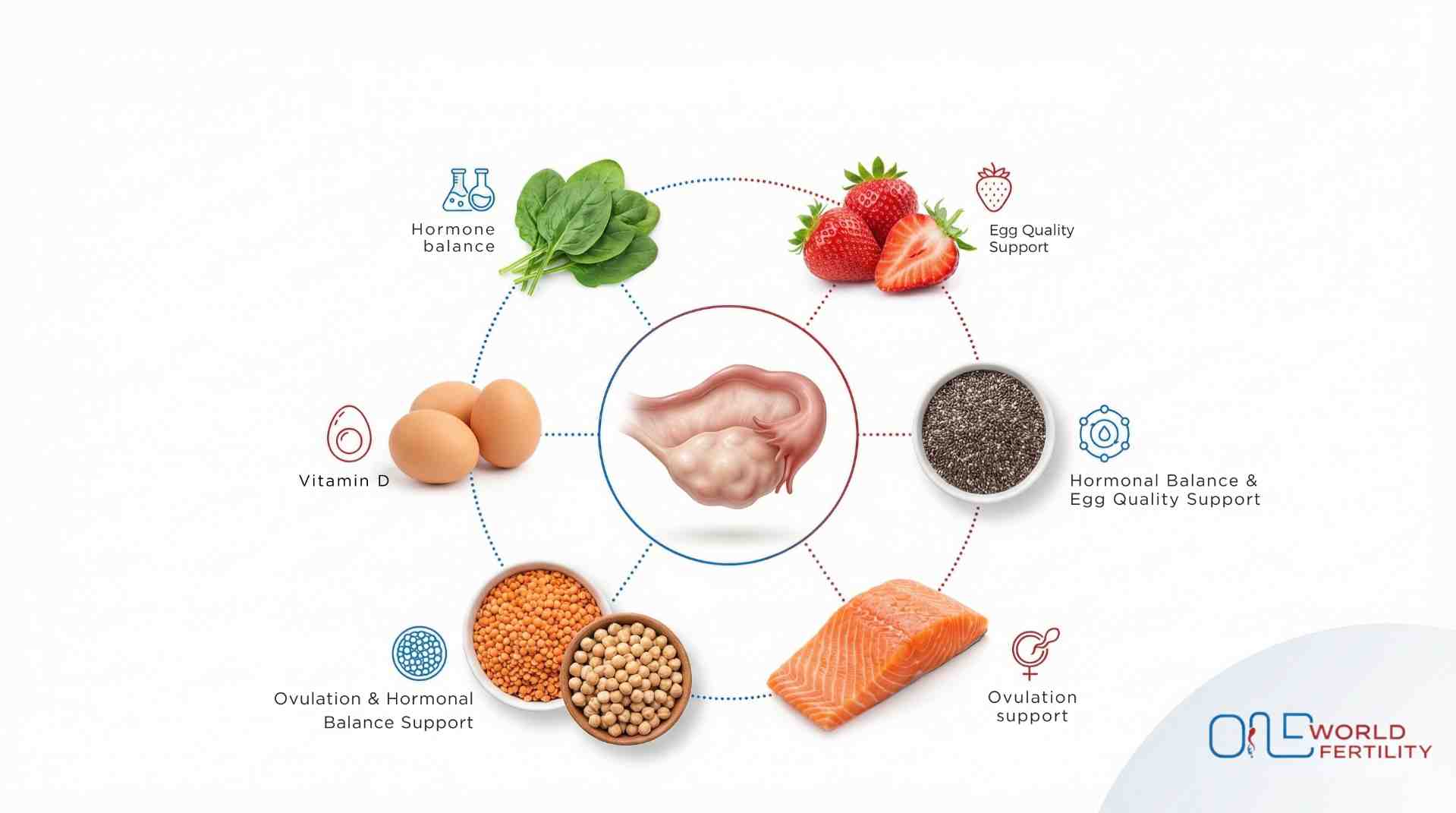
We know you've read a million blogs about foods that can help women get pregnant. But here's the truth: you don't need a fancy, hard-to-understand meal plan. Real things that are good for you and give your body what it needs.
Your body already knows how to make life; it just needs the right food. Foods that are good for female fertility help keep your hormones in balance, protect your eggs, and make your body ready to get pregnant. There are no magic pills or expensive vitamins that you can't say.
We're talking about easy, tasty things that really do work. Let's get started.
Fertility Foods for Women That Support Hormonal Balance
Your hormones need to be in sync for everything else to work. Fertility foods for women that keep estrogen and progesterone balanced are simpler than you think. Healthy fats are your best friend here-avocados, nuts, olive oil. Your body literally needs fat to make hormones. Fibre from beans, whole grains, and veggies helps clear out excess estrogen that can mess with your cycle.
Broccoli, cauliflower, and Brussels sprouts (yeah, we know some aren't exciting) help your body process estrogen properly. Flaxseeds are tiny but they balance hormones naturally while giving you those important omega 3s.
Foods That Increase Female Fertility
The best foods that increase female fertility are loaded with the good stuff your eggs need to thrive.
- Berries (blueberries, strawberries, whatever you love): Fight the damage that can harm your eggs
- Leafy greens (spinach, kale): Give you folate, which is crucial for healthy eggs and early pregnancy
- Salmon and sardines: Bring omega-3s that calm inflammation and support hormone production
- Full-fat dairy (in moderation): Linked to better ovulation than the low-fat stuff
- Eggs: Absolute fertility powerhouses with choline, vitamin D, and protein your reproductive system loves
Female Fertility Booster Foods for Egg Quality
Female fertility booster foods specifically help your eggs be the healthiest they can be-and that matters for both conception and a healthy pregnancy.
Walnuts pack omega-3s and antioxidants that directly improve egg quality. Beans and lentils deliver folate and plant protein that support egg development.
Sweet potatoes provide beta-carotene (which your body converts into vitamin A) to help make reproductive hormones. Pomegranates are antioxidant superstars that shield your eggs from damage.
Dark chocolate with 70%+ cacao? Yes, please. Antioxidants plus better blood flow to your reproductive organs.
Foods That Improve Female Egg Quality
Foods that can help to improve the quality of a woman's eggs. These foods provide your body with the building blocks it needs for healthy egg development.
Wild-caught salmon is a good source of vitamin D and omega-3 fatty acids, both of which are important for egg development. The zinc and iron in pumpkin seeds help with ovulation and egg development.
Quinoa contains iron and folate, making it a complete protein. Carrots and citrus foods contain vitamin C, which can help keep eggs safe.
Beets help your uterus and ovaries get more blood, which helps nutrients get to your eggs as they grow. Bone broth has amino acids and collagen that are good for your reproductive system.
Fertility Boosting Foods for Women and Their Benefits
| Food |
Key Nutrients |
What It Does |
| Leafy Greens |
Folate, iron |
Supports egg development |
| Salmon |
Omega-3s, vitamin D |
Improves egg quality |
| Berries |
Antioxidants |
Protects eggs from damage |
| Avocados |
Healthy fats |
Supports hormones |
| Eggs |
Choline, vitamin D |
Boosts ovulation |
| Walnuts |
Omega-3s |
Improves egg quality |
| Beans |
Folate, protein |
Supports ovulation |
| Full-Fat Yogurt |
Calcium, vitamin D |
Improves ovulation |
| Sweet Potatoes |
Beta-carotene |
Produces hormones |
Best Fertility Foods for Men
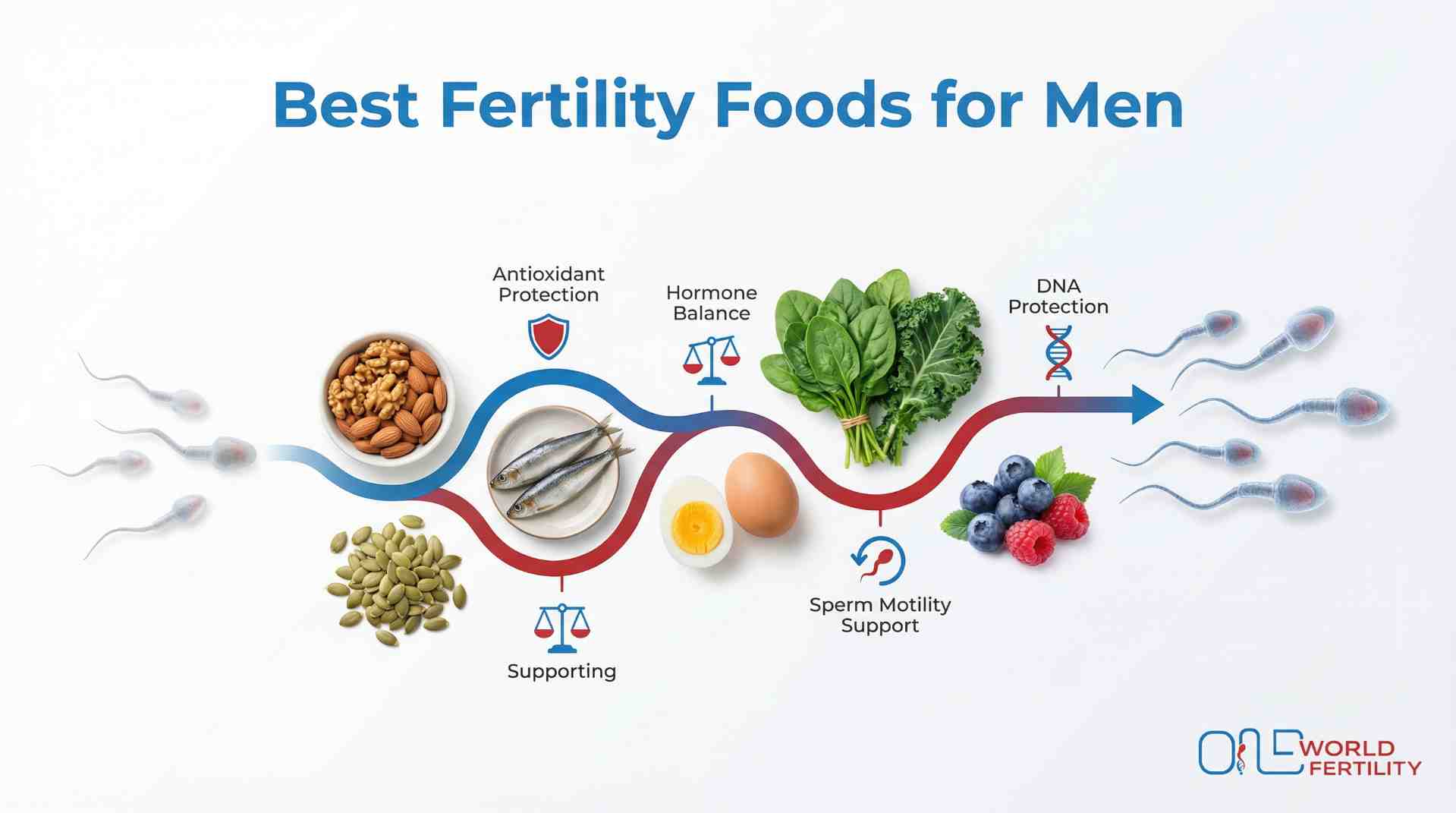
Guys, let's talk fertility foods for men. Your sperm health matters just as much as egg quality-and you can improve it fast with the right foods.
Since your body makes fresh sperm every 2-3 months, what you eat today directly impacts your fertility. The best male fertility foods boost sperm count, motility, and morphology. No complicated plans-just nutrient-packed foods your swimmers need.
Fertility Foods for Men That Improve Sperm Health
Men's fertility foods help protect sperm and keep output healthy. It's all about necessary vitamins and antioxidants.
Zinc, found in oysters, is important for producing testosterone and sperm. Lycopene, which is found in tomatoes, helps sperm move and shape better (cooked tomatoes work even better).
You can find folate in dark leafy greens. Sperm from guys who eat a lot of folate are healthier. Zinc and magnesium found in pumpkin seeds are good for testosterone and sperm health.
Foods That Increase Fertility in Males
Foods that make guys more fertile also make them bigger, faster, and stronger. Because walnuts contain omega-3s, they make sperm healthier.
Fatty fish like salmon and mackerel give you omega-3s and vitamin D, which help your sperm count. Eggs contain selenium and choline, which help sperm grow.
When you drink pomegranate juice, your testosterone and sperm count go up. L-arginine, which is found in dark chocolate (70% or more cacao), makes sperm count and movement go up. Yes, chocolate does help!
Fertility Diet for Men - What to Eat Daily
Male fertility can be helped by simple things. Review these basics:
- Eggs or Greek yoghurt with nuts and veggies for breakfast.
- Lunch and dinner should include less fat proteins like chicken and fish, as well as bright vegetables like tomatoes and leafy greens.
- Snack Banana or pumpkin seed clusters.
- Drink 8 to 10 glasses of water every day to maintain healthy semen volume.
- Weekly Eat oysters once or twice, fatty fish twice or three times, and lots of colourful fruits and veggies.
Best Fertility Foods for Men and Sperm Health
| Food |
Key Nutrients |
What It Does |
| Oysters |
Zinc |
Boosts sperm production |
| Tomatoes |
Lycopene |
Improves motility |
| Walnuts |
Omega-3s |
Enhances vitality |
| Salmon |
Omega-3s, vitamin D |
Increases count |
| Pumpkin |
SeedsZinc, magnesium |
Supports testosterone |
| Eggs |
Selenium |
Protects sperm health |
Common Fertility Boosting Foods for Both Men and Women
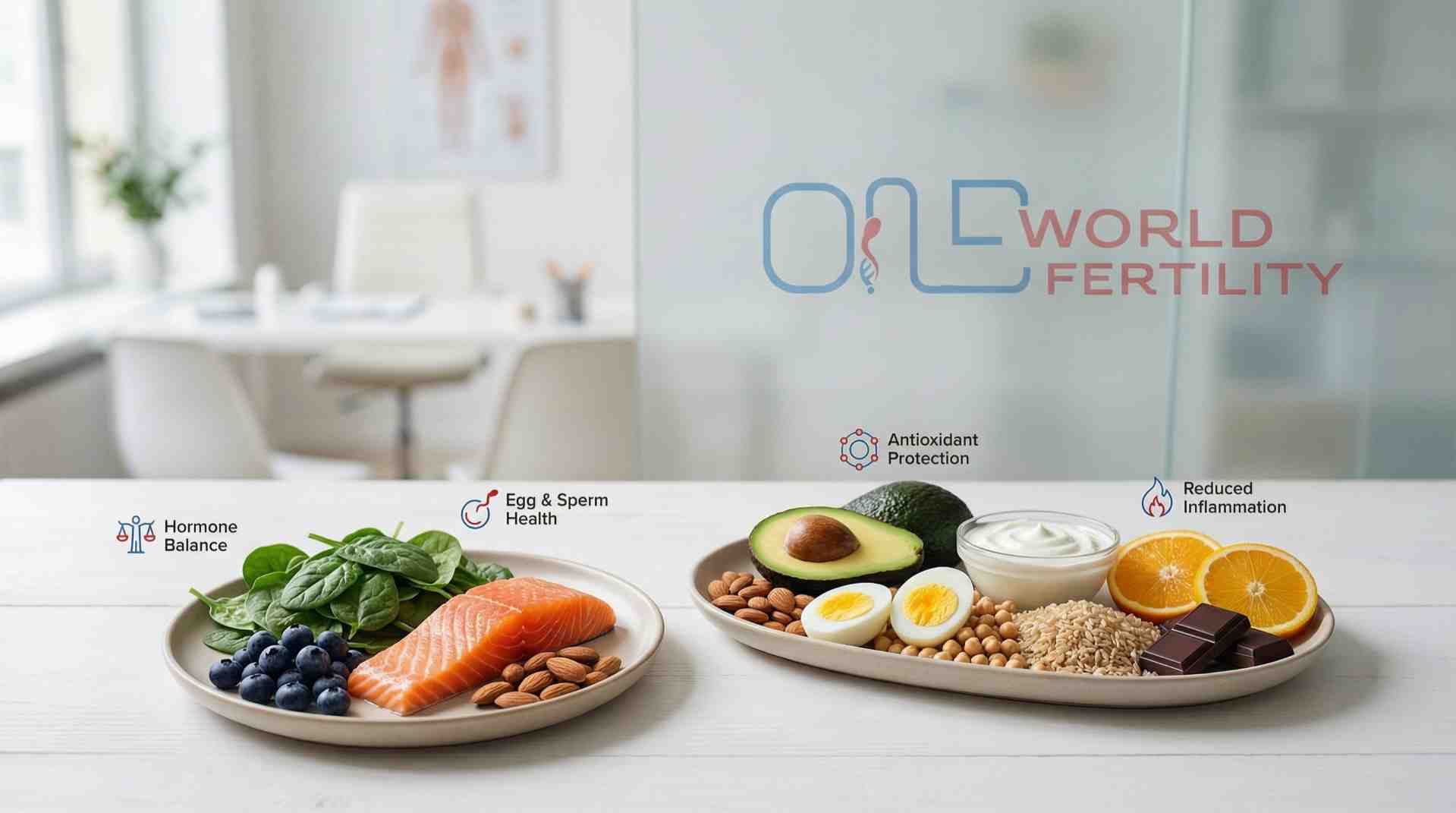
The good news is that you don't need to make different meal plans! Many foods that support fertility are good for both partners, making shopping and meal preparation much easier.
All of these superfoods are good for reproductive health because they keep hormones in balance, protect eggs and sperm, and lower inflammation. When both of you eat these foods to boost fertility, you're creating the best possible environment for conception together.
Let's look at the fertility powerhouses that benefit both of you.
Foods That Increase Fertility Naturally
You should always have these naturally boosting foods in your home, because they are good for both men's and women's reproductive health.
1. Folate, which is found in leafy greens like spinach, kale, and Swiss chard, helps eggs form in women and lowers the risk of sperm problems in men. Also, they have a lot of iron and vitamins that you both need.
2. Berries like blueberries, strawberries, and raspberries protect against oxidative stress, which hurts both eggs and sperm. Take a lot of these antioxidant-rich foods.
3. Omega-3s which is found in fatty fish like salmon, sardines, and mackerel help reduce inflammation, keep women's hormones in balance, and make men's sperm move faster. Aim for two to three meals a week.
4. Nuts and seeds, like almonds, pumpkin seeds, chia seeds, walnuts, and peanuts, contain healthy fats, vitamin E, and zinc, all of which are important for the reproductive system.
5. Avocados contain healthy fats that both partners need to make hormones. They also contain folate and vitamin E, which protect reproductive cells.
6. Eggs are the best food for getting pregnant because they have protein, choline, and vitamin D, all of which help with ovulation and sperm health. Plus they're tasty and can be used in many ways.
Foods to Boost Fertility for Couples
| Food |
Key Nutrients |
Benefits |
| Colorful Vegetables |
Vitamins A & C |
Protects eggs and sperm |
| Whole Grains |
B vitamins, fiber |
Balances hormones |
| Legumes |
Protein, folate, iron |
Supports reproduction |
| Greek Yogurt |
Probiotics, vitamin D |
Supports fertility |
| Dark Chocolate |
Antioxidants |
Improves blood flow |
| Citrus Fruits |
Vitamin C |
Protects reproductive cells |
Fertility Diet Charts for Different Dietary Preferences
The right food choices can help you get pregnant, whether you are a vegetarian, a non-vegetarian, or a Mediterranean dieter. Let's take a look at some useful daily meal plans.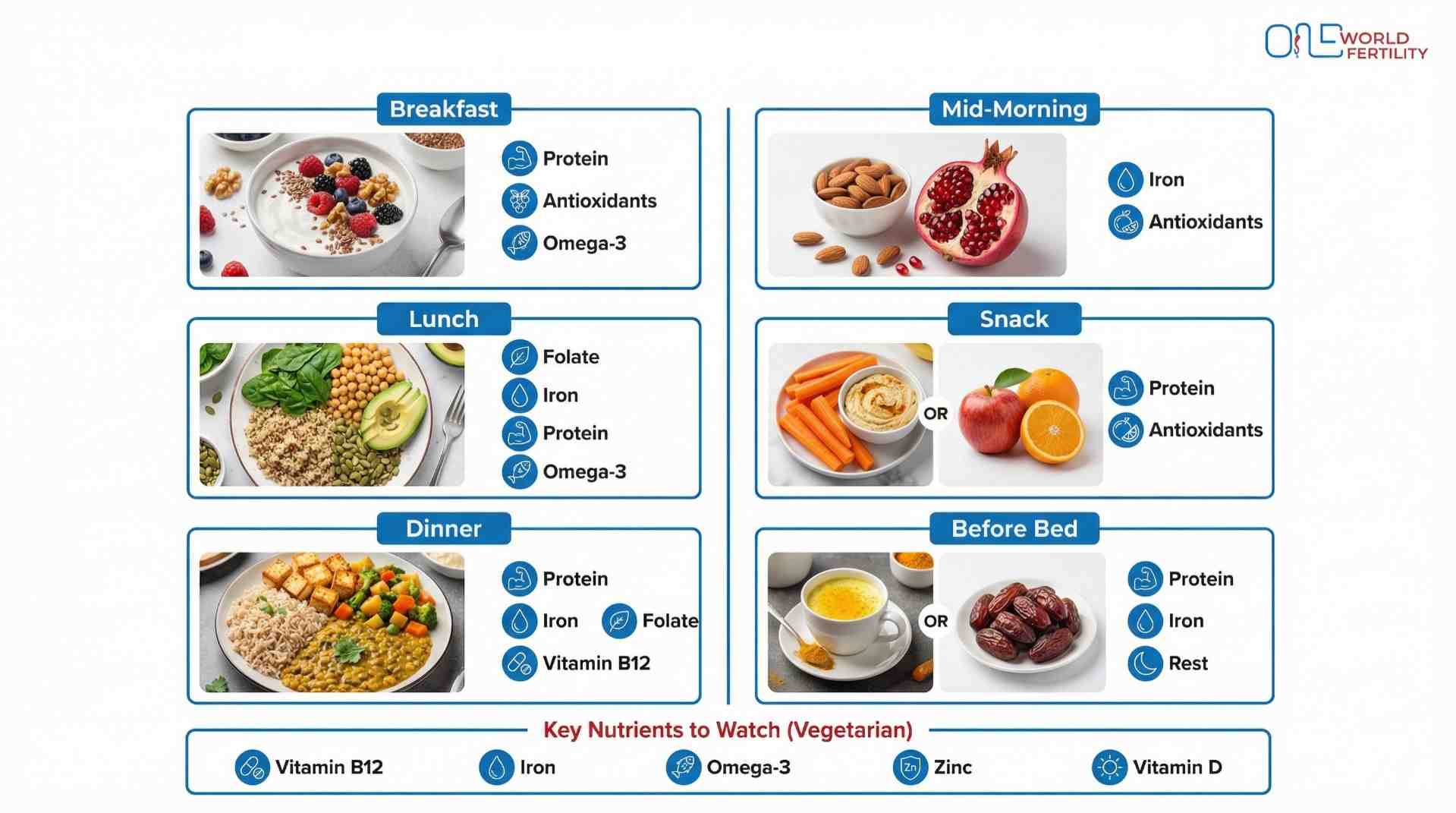
Vegetarian Fertility Diet Chart
For Vegan and Jain Diets: Vegan and Jain diets can support pregnancy, but they may not provide enough vitamin B12, iron, zinc, or omega-3s. Why is this good news? Smart food combinations and specific supplements can help you get more of these.
| Meal |
Vegetarian Options |
Key Nutrients |
| Breakfast |
Greek yogurt with berries, walnuts, and flaxseeds |
Protein, probiotics, omega-3s |
| Mid-Morning |
Handful of almonds and pomegranate |
Vitamin E, antioxidants |
| Lunch |
Quinoa bowl with spinach, chickpeas, avocado, pumpkin seeds |
Folate, iron, zinc, healthy fats |
| Snack |
Carrot sticks with hummus or fresh fruit |
Vitamin A, fiber |
| Dinner |
Brown rice, paneer/tofu, mixed vegetables, lentil dal |
Protein, B vitamins, iron |
| Before Bed |
Warm milk with turmeric or handful of dates |
Calcium, natural sugars |
Vegetarians can get more energy by:
- Vitamin B12: Can be found in fortified grains, nutritional yeast, or B12 supplements (which are necessary because plant foods don't have B12).
- Iron: To get more iron from your food, eat citrus fruits and vegetables like tomatoes and lentils with foods that are high in vitamin C.
- Omega-3s: flaxseeds, chia seeds, walnuts, or omega-3 pills made from algae
- Cinnamon: sesame seeds, pumpkin seeds, chickpeas, and grains with added zinc, Sunlight, enriched plant milk, or supplements can all give you vitamin D.
Non-Vegetarian Fertility Diet Chart
| Meal |
Non-Vegetarian Options |
Key Nutrients |
| Breakfast |
Scrambled eggs with spinach, whole grain toast |
Choline, protein, folate |
| Mid-Morning |
Greek yogurt with berries and walnuts |
Probiotics, antioxidants, omega-3s |
| Lunch |
Grilled salmon, quinoa, roasted vegetables, side salad |
Omega-3s, protein, vitamins |
| Snack |
Boiled eggs or handful of nuts |
Protein, selenium |
| Dinner |
Grilled chicken, brown rice, sautéed leafy greens, lentils |
Lean protein, iron, B vitamins |
| Before Bed |
Warm milk or small portion of dark chocolate |
Calcium, antioxidants |
Every week, we add:
1. Oysters once or twice (a zinc powerhouse)
2. 2 to 3 times fatty fish (salmon, sardines, mackerel)
3. Liver once a week (it's high in folate, iron, and B12, but only once a week).
Mediterranean Diet for Fertility (Especially for Azoospermia)
People think that the Mediterranean diet is one of the best for male fertility, especially for men who have azoospermia (no sperm to release semen) or other serious sperm problems. Studies have shown that it improves sperm characteristics.
How it works:
- Fruits, veggies, and olive oil are all good sources of antioxidants.
- Full of omega-3s from fish
- Whole grains, nuts, and seeds are all in it.
- High in whole foods and low in trans fats
But the Mediterranean diet is missing a few important parts that can be added with supplements:
| What It Lacks |
How to Fortify |
| Adequate Zinc |
Add pumpkin seeds, oysters, or zinc supplements (11mg daily for men) |
| Sufficient Selenium |
Include 2-3 Brazil nuts daily or selenium supplement |
| Vitamin D |
Get sun exposure or take vitamin D3 supplement (especially important) |
| CoQ10 |
Not found in sufficient amounts in food—consider CoQ10 supplement (200-300mg for fertility) |
Note for vegetarians: You can follow a plant-based Mediterranean approach using legumes, tofu, and tempeh as protein sources, but you'll need to be extra mindful of B12, iron, and omega-3 fortification.
Fertility Increasing Foods vs Supplements![ONE WORLD FERTILITY- Fertility Increasing Foods vs Supplements.jpg]()
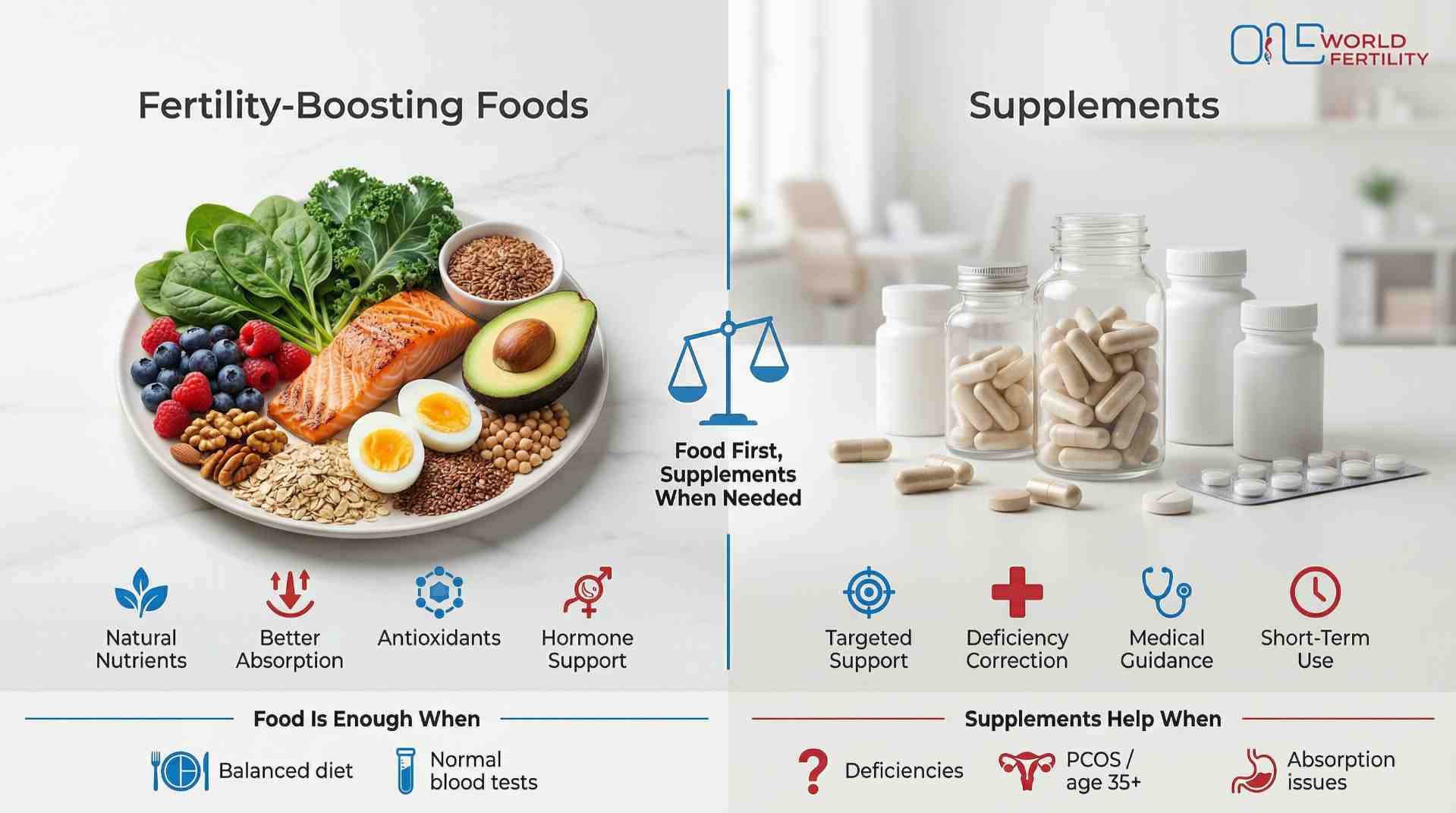
Let's tackle the big question: do you really need expensive supplements, or can fertility-boosting foods do the job? Here's the truth-whole foods should always come first. A fertility-improving diet gives you nutrients in their most bioavailable form, plus fibre, antioxidants, and compounds that work together in ways supplements can't replicate. That said, supplements have their place. The key is knowing when you actually need them versus when you're just wasting money.
Can a Fertility Improving Diet Replace Supplements?
A good diet that helps with pregnancy can often give you most of what you need. If you eat a range of fertility-boosting foods every day, you're probably getting enough folate, omega-3s, antioxidants, and zinc.
How to know when food is enough:
- You get a lot of different kinds of fruits, veggies, proteins, and healthy fats in your diet.
- You get vitamin D from the sun every day.
- Your blood work shows no problems.
- Specific conditions like PCOS or endometriosis are not a problem for you.
In these situations, you might need supplements:
- Lack of iron, vitamin D, and vitamin B12 is found in blood tests.
- If you're a vegetarian, vegan, or have food issues, you can't eat certain foods.
- If you're over 35, you need extra help to get good eggs (CoQ10).
- Sperm factors for your partner are not good (targeted antioxidants may help).
- It's hard for you to absorb nutrients because of health problems.
The smart thing to do is to start with food, get checked, and then add supplements in a way that fits your needs, not just what the internet says everyone needs.
A good pregnancy vitamin can help, but it shouldn't be used instead of healthy food. Supplements aren't the main thing you need, think of them as extras. Pills can't compare to the energy you get from real food.
Talk to your doctor to find out what you really need. Spend your money on other things and fill your plate with whole foods that are good for your fertility first.
Final Thoughts
So, do men and women need different diets to get pregnant? Yes, but you don't need different meal plans or to eat perfectly all the time. For healthy hormones and good eggs, women need to eat well. Men need help to keep their sperm healthy. But most things that help with fertility are suitable for both of you.
To review:
- For healthy eggs and hormone balance: Women should eat plenty of folate, iron, and omega-3 fatty acids.
- Men: Put zinc, selenium, and vitamins at the top of your list for sperm count and movement.
- All at once: Leafy veggies, berries, nuts, whole grains, and fatty fish should all be eaten together.
- First, food: Whole foods are better than supplements; only take pills for real deficits.
This trip is already hard. Don't worry about how well you eat. Choose easy things that you always do. Let's cook together. Help each other out. It takes little changes to add up. Wait for the process to finish. You're all taking care of your health, your hope, and your future. You can do this.